What’s behind the shortage?
Japan’s matcha industry is facing a dual crisis: aging farmers and extreme weather.
With the average matcha grower now over 70, more than 1,000 retired last year alone - even before demand surged in mid-2024. Younger generations are opting for city life over rural tradition, leaving fewer hands – like tencha processors - to tend the delicate leaves.
At the same time, rising temperatures have slashed yields by 25 per cent, disrupting the careful shading process that gives matcha its signature umami flavour. Harvests are delayed, production timelines have doubled, and the result is a growing global shortage.
Navigating matcha’s global boom
In a factory in Melbourne’s south-east, Alix Bethbeze is working late.
“Almost every night, I'm talking to suppliers and farmers around the world,” she says.
Alix is part of Somage; a Melbourne-based organic tea manufacturer. She and co-founder Ben Kelly say the company brought a “wine-type of thinking” to their approach - focusing on sensory experience, premium sourcing, and direct relationships with growers.
Ben’s appreciation for this detail was shaped during his time at The Connaught, a three-star Michelin restaurant in Mayfair, London
“Tea has always been in Australia, but we brought more of a sensory, premium wine aspect to the industry,” Ben explains. “Every single ingredient we source is direct from a farmer. We taste every batch and work with the top one per cent of tea growers globally.”
This artisan approach has resonated with the hospitality sector. Somage now supplies over 5,800 cafes across Australia, and matcha demand is surging.
“We get about 25 phone calls a day about matcha,” Ben says. “It’s a global sensation.”
Supply chain strain meets strategic expansion
But with popularity comes pressure. Alix, who leads procurement at Somage, saw the matcha shortage coming over a year ago and pivoted early.
“We used to work with four growers and millers in Japan. Now we work with twelve,” she says. “We’ve been focused on increasing our supply chain and working closely with ANZ to increase our cash flow to support those new relationships.”
According to ANZ’s Mary Ng, Head of Supply Chain Finance Sales, Asia, it’s a sound strategy.
“In today’s volatile environment, strategic diversification isn’t just a defensive move - it’s a growth enabler. By onboarding more growers and processors, businesses are building resilience against geopolitical shocks, climate disruptions, and logistical bottlenecks, she says.”
“It’s always been about relationships and people,” Alix adds. It’s business, but it’s also personal.”
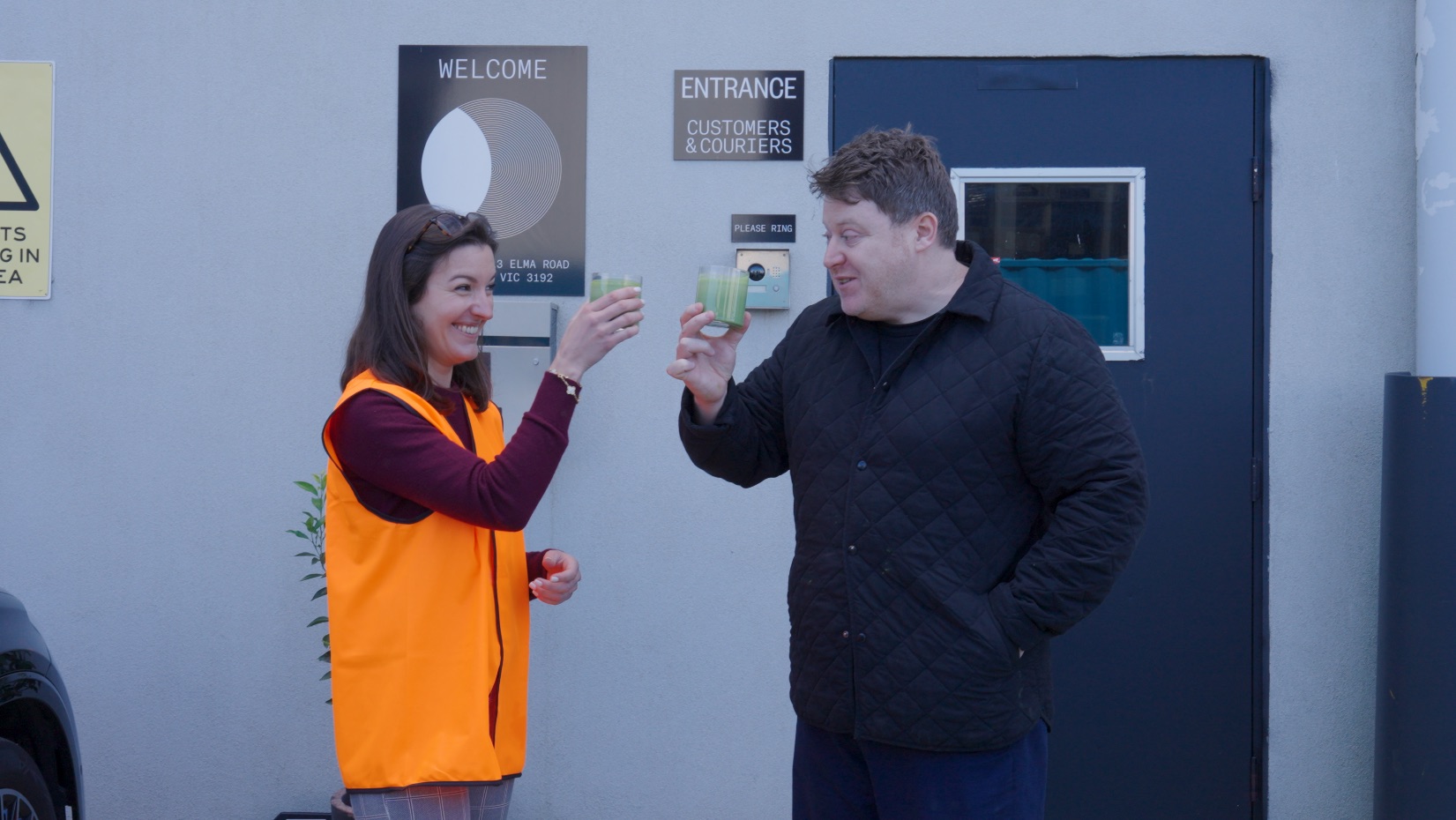
Alix Bethbeze, COO, Somage & Ben Kelly, CEO, Somage
Balancing growth and cost containment
Despite rising input costs, Somage is committed to keeping matcha accessible. Alix says the company is constantly adjusting operations to avoid passing costs onto customers.
“Growth is happening organically due to demand. But we can’t just triple the price of the end product,” she explains. “We’re pulling levers - efficiency in manufacturing, shipping, and turnaround - to contain pricing.”
Mary adds: “Navigating rising input costs while maintaining price stability requires more than just operational efficiency - it calls for resilient supply chain partnerships. When businesses and suppliers work together with transparency and shared goals, they’re better positioned to absorb volatility and maintain consistency.”
Resilience
Despite the challenges, businesses like Somage are rising to meet global demand with agility and innovation.
“We’ve worked closely with ANZ to sustain the expansion,” Alix says. “It’s been a juggle, but we’re making it work.”
According to Mary Ng, strategic financial tools are playing a critical role in helping businesses navigate these pressures.
“From our side, we often support clients through tailored working capital solutions that ease onboarding costs and extend liquidity during transitions. It’s a good example of how our supply chain finance tools can enable operational resilience,” she explains.
The future
While the matcha shortage is set to remain for the medium turn, manufacturers like Somage aren’t panicking.
“I'm positive and personally I see it as an opportunity… we have the relationships, we have the finance to back it up, and we have everything we need to actually use that as a massive growth opportunity,” says Alix.
So next Monday morning, when your name is called and that vibrant latte is in hand, remember: you’re not just sipping a trend. You’re part of a matcha moment that’s not going anywhere.
As for the next beverage craze? Ben and Alix say keep an eye on Japanese green tea Hojicha.
Alicia Muling is a Senior Writer at ANZ.
The views and opinions expressed in this communication are those of the author and may not necessarily state or reflect those of ANZ.



